ServicesWindow Retrofitting
Window Retrofitting in Garden Grove
We swap out old single-pane aluminum windows for new dual-pane vinyl units that fit inside your existing frames. The stucco stays intact, the drywall stays put, and we check every frame first so you know retrofit is the right fit before you commit.
What a Retrofit Window Is and When It Makes Sense
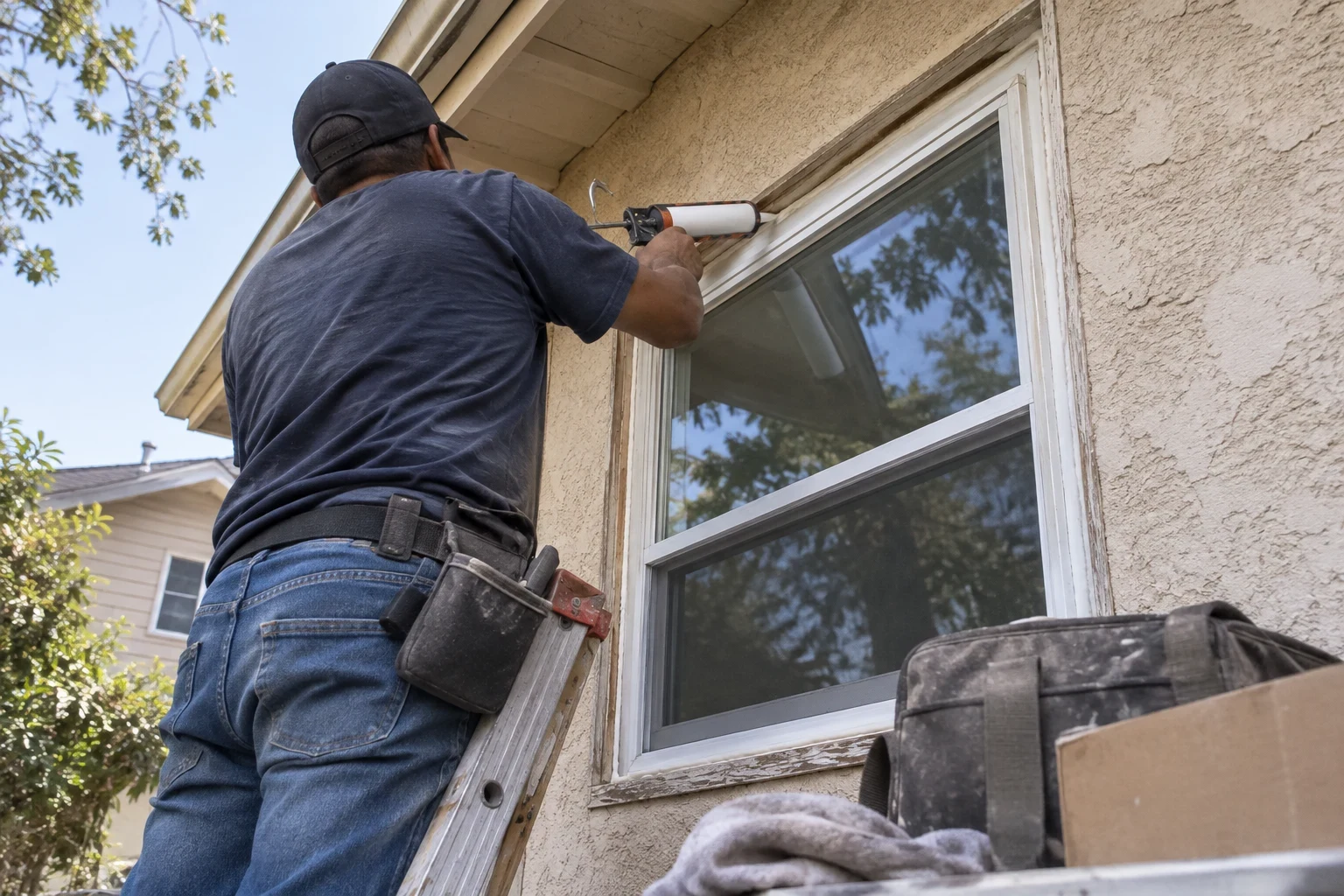
A retrofit window replaces the glass and moving parts of an old window while the original frame stays anchored in the wall. We pull the sashes and glass, clean out the old aluminum frame, then set a new vinyl window with a flush stucco fin that laps over the old frame on the outside. The fin covers the transition, and a continuous bead of sealant closes it against water and air.
This approach keeps whatever is still sound in place. Many homes around Garden Grove have stucco walls with steel-reinforced lath behind them, and cutting that out to reach a window's nailing flange means patching, texture matching and repainting. If your old aluminum frames are solid and square, there is no reason to disturb that wall.
Retrofit is not always the honest answer. If a frame is bent, the wood framing behind it shows rot or water stains, or you want to change the size of an opening, a full-frame job through our Window Replacement service is the better call. We will tell you which one each opening needs and why.
What Our Retrofit Work Includes
- Frame inspection at every opening
- We check each existing frame for square, level and corrosion, and look at the sill and the drywall below it for signs of past leaks. A frame that fails this check gets flagged before anything is ordered.
- Custom-sized vinyl windows
- Each window is built to measured dimensions for its opening, with welded vinyl corners and dual-pane insulated glass. As an authorized Crystal Pacific Windows installer, we can walk you through their frame colors, grid options and glass packages.
- Low-E glass options
- Low-emissivity coatings reflect heat from afternoon sun while letting light through. We explain how U-factor and solar heat gain numbers apply to the rooms that get the most sun, and our Energy Efficient Windows page covers glass choices in more depth.
- Sealing and insulating the gap
- The small space between the old frame and the new window gets shims for alignment, low-expansion foam for insulation and an exterior sealant bead behind the stucco fin. Low-expansion foam matters because standard foam can bow a vinyl frame and make the sash bind.
- Interior finish and cleanup
- Inside, we caulk the perimeter so it looks finished against your existing trim or drywall return. Old sashes and broken glass leave with us.
Signs Your Windows Are Ready for a Retrofit
Single-pane aluminum sliders
One sheet of glass in a metal frame conducts heat in and out of your home with almost no resistance. Aluminum frames also sweat on cool mornings, which is why you see water on the sill.
Fog between the panes
On older dual-pane units, haze or droplets trapped between the glass mean the edge seal has failed. The insulating gas has escaped and the window will not clear up on its own.
Sashes that drag or will not lock
Worn rollers and pitted aluminum tracks make sliders hard to move, and bent sashes stop latches from engaging. When the sash itself is warped, a new unit is the practical fix.
Rooms that overheat in the afternoon
West- and south-facing rooms that stay hot after sunset are often taking in heat through old clear glass. Low-E glass in a retrofit unit cuts that gain.
Street noise coming straight through
Thin single glazing and loose weatherstripping let sound in. Dual-pane glass with an air space between the panes noticeably quiets a room.
What Moves the Cost of a Retrofit
Retrofit pricing is set window by window, so the total depends on what each of your openings needs. Because the wall is not opened, there is no stucco repair, texture matching or repainting line on the quote. Your written quote lists every window separately, so you can see exactly where the money goes.
Number and size of openings
Larger units need more material and heavier glass, and a whole-house order is priced differently from a few windows.
Glass package
Low-E coatings, gas fill and obscure glass for bathrooms each change the price. Code requires tempered safety glass near doors, tubs and some floor-level openings.
Frame color and grids
White vinyl is standard. Darker exterior colors and grids between the glass add to the cost.
Condition of the existing frame
A sound frame keeps the job a straight retrofit. A damaged one may need a full-frame installation, which we price separately and explain.
Access
Second-story windows or openings behind fixed obstacles take more time and setup.
How a Retrofit Job Runs
- 1
In-home estimate and measuring
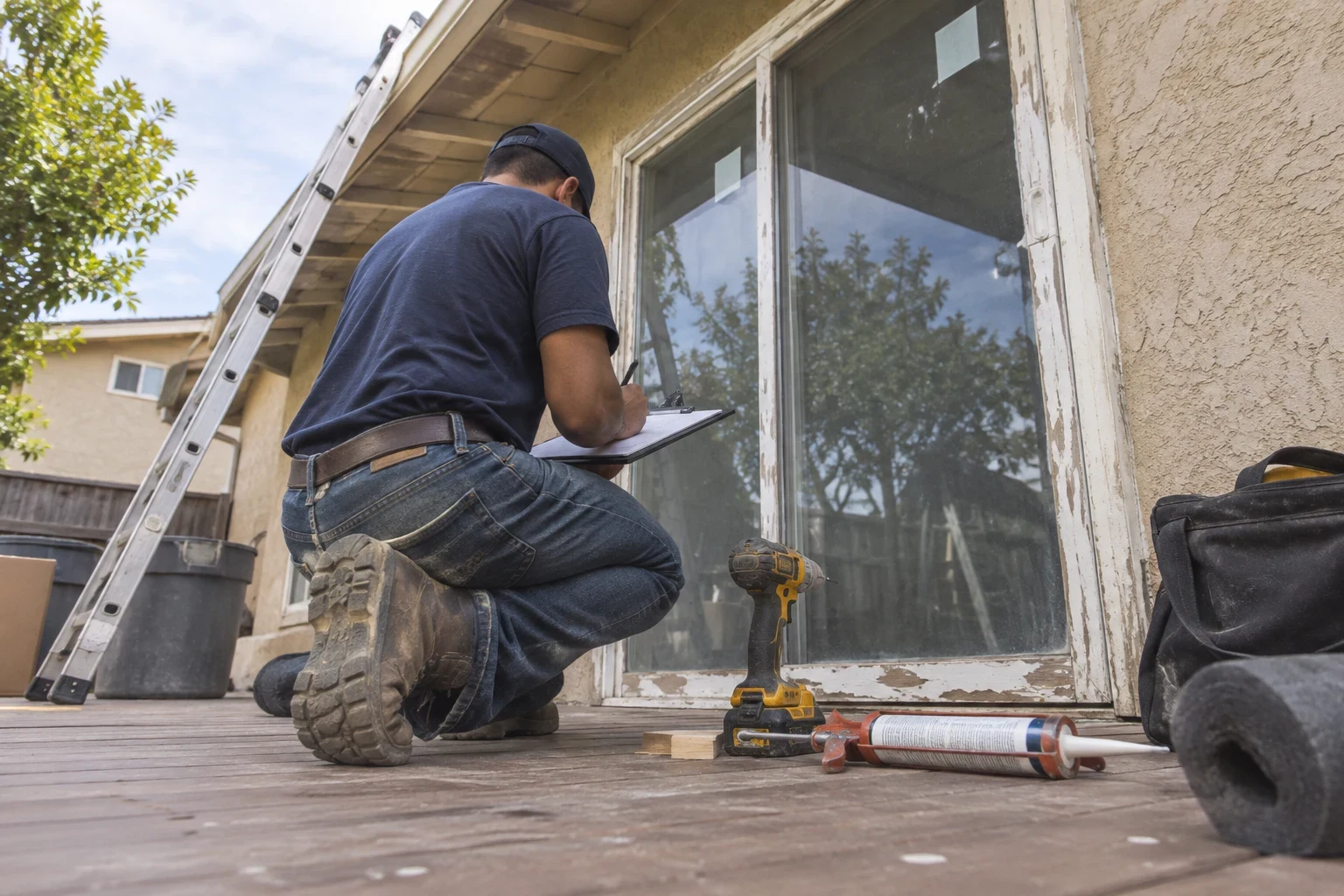
We measure each opening in several places, since old frames are rarely perfectly square, and inspect the frame condition. You get a written quote that lists every window, its size and its glass, with no sales pressure or obligation.
- 2
Ordering your windows
After you sign off on the quote, each window is fabricated to the measurements we took. If the work on your home calls for a permit, we handle that application ourselves so you are not chasing paperwork.
- 3
Install day
We lay drop cloths inside, remove the old sashes and glass, and clean the frame tracks down to a flat surface. Each new window is set, shimmed plumb and level, foamed and sealed, then tested for smooth operation and a full lock.
- 4
Final check together
Before we leave, you operate each new window yourself and confirm the latches engage. We show you how the sashes tilt or lift out for cleaning, then haul the old glass and sashes away in our truck.
Window Retrofitting Questions
Will retrofitting crack or damage my stucco?
No cutting into the stucco is involved. The new window's flush fin sits on top of the old frame and against the wall surface, then gets sealed. The stucco around the window is left as it is.
Will my new windows be smaller than the old ones?
The glass area shrinks slightly because the new frame sits inside the old one. The difference is modest, and we point out any opening where it would matter, such as a bedroom window you rely on for egress.
How do I know whether I need a retrofit or full-frame replacement?
It depends on the frame and the wall behind it. If the frame is straight and there is no sign of water damage, retrofit is usually the sensible choice. If we see rot, staining or a bent frame, we recommend a full-frame job and show you what we found.
What protection do I have while your crew works on my home?
We are bonded and carry $2 million insurance coverage. That stays in place for every opening we work on, from the first sash we pull to the final cleanup.
Do I have to retrofit every window at once?
No. Splitting the work into phases is common, and the rooms with the worst heat gain or the hardest-to-move sliders are a good place to begin. Your quote records the frame color, glass and style used, so windows added in a later phase match the first ones.
Find Out Whether Your Frames Can Stay
We will inspect each window, tell you which ones suit a retrofit and which need more, and put it all in a written quote. The in-home estimate is free.